
Can You Epoxy a Cracked Garage Floor, or Does the Concrete Need Repair First?

You can sometimes install epoxy over cracked concrete, but a garage floor should not be coated until the crack has been evaluated and properly repaired or treated. Small, stable shrinkage cracks are often compatible with a coating system after surface preparation. Cracks that are widening, moving, uneven, or connected to moisture or slab movement need a different response before epoxy goes down.
At Main Line Custom Garage, epoxy flooring is part of our garage remodeling work. Our published installation process includes mechanical surface preparation before the coating is applied so the epoxy can properly bond to the concrete below it. A coating may hide discoloration, but it cannot correct unstable concrete underneath.
Can You Put Epoxy Over Cracked Concrete?
Yes, in some cases. The important distinction is whether the crack is a surface defect that can be repaired or a sign that the slab is still moving.
Concrete can develop cracks as it cures, shrinks, and responds to changing conditions. A thin crack that has stayed the same width for years is very different from a crack with one side sitting higher than the other.
Epoxy creates a hard, continuous surface. If the concrete below it moves after installation, that movement can transfer through the repair and become visible in the finished floor. This is often called crack telegraphing. That is why the crack should be addressed during surface preparation instead of simply covered with coating.
Why Crack Repair Comes Before Epoxy Floor Preparation
A finished epoxy floor is only as reliable as the concrete surface it is bonded to. Repairing or treating defects first gives the coating a sounder base.
Sherwin-Williams’ concrete flooring crack repair guidance recommends filling cracks and divots before proceeding with a new flooring application. Surface preparation also needs to leave the concrete clean and sound enough for the selected coating system.
That sequence matters. Filling a crack after the floor is coated means cutting into the finished system. Addressing it first allows the repair and surrounding concrete to be prepared together.
Main Line Custom Garage’s step-by-step garage transformation process shows the concrete being ground with a diamond grinder before the coating steps begin. Mechanical grinding removes surface material and creates the profile needed for better coating adhesion.
Grinding and crack repair serve different purposes. Grinding prepares the surface. It does not stabilize a crack caused by movement below the slab.
What Usually Happens With Small, Stable Cracks?
For a stable crack, preparation typically focuses on cleaning the defect, removing loose material, filling or sealing it with a compatible repair product, and preparing the surrounding surface for the flooring system.
The exact material matters. Some crack repairs use rigid epoxy products. Other conditions call for a more flexible material because the joint or crack may experience movement. The coating system and repair product need to work together.
A filled crack may also need to be ground flush so it does not leave a ridge under the finished floor. Once the floor has been properly prepared, the repaired area becomes part of the substrate beneath the coating.
The finished result can look very uniform, especially with decorative flake systems, but no coating can guarantee that every repaired crack will stay invisible forever. Concrete may continue to move after installation.
When a Crack Needs More Than a Surface Repair
Some garage-floor cracks should be evaluated before any coating project moves forward.
Watch for a crack with noticeable vertical displacement, recurring movement, significant separation, active water intrusion, or concrete that is crumbling around the opening. A pattern of new cracks appearing over a short period also deserves attention.
In those situations, the underlying cause matters more than the appearance of the line itself. Settlement, drainage problems, or other slab conditions can continue after a cosmetic repair. Covering the floor too soon could leave you paying for a coating over concrete that still needs corrective work.
A qualified concrete professional or structural engineer may need to evaluate cracks that suggest structural movement. Once the slab issue is understood and the required repair is complete, you can make a better flooring decision.
What About Control Joints and Expansion Joints?
A joint is not automatically a crack.
Concrete slabs often include intentionally placed joints that give the slab a planned location for movement. Treating every joint as an accidental crack can create problems because some joints need to keep functioning.
This is one reason garage-floor preparation should be based on the actual slab rather than a one-size-fits-all filling method. The installer needs to distinguish between a repairable crack, a functioning joint, and an area that requires separate concrete work.
If you are comparing flooring proposals, ask how existing cracks and joints will be handled before the coating is applied. A detailed answer tells you far more than a promise that the finished floor will simply cover everything.
Can Epoxy Stop a Garage Floor Crack From Getting Worse?
Epoxy flooring should not be treated as a structural repair for a moving slab.
A coating protects the surface from routine wear and creates a finished layer over the concrete. Our epoxy flooring service uses a durable, low-maintenance surface intended to resist stains, chemicals, and impact.
Those surface benefits do not eliminate the forces that caused a crack in the concrete. If the slab continues to move, the crack may reappear through the coating or affect the repaired area.
For a homeowner, that distinction is useful. You are deciding whether the existing concrete is ready to receive a coating, not whether epoxy can replace necessary concrete repair.

What Should You Ask Before Epoxy Installation?
Before scheduling an epoxy garage floor, ask what the installer sees in the existing slab and how preparation will address it.
You should understand whether visible cracks appear stable, whether any areas need repair before coating, how the concrete surface will be prepared, and how existing joints will be treated. If moisture is present, ask how that affects the project.
It is also worth asking what conditions could cause a repaired crack to become visible later. Straight answers about the limitations of coatings are a better sign than a guarantee that old concrete will never move again.
Plan the Concrete Work Before the Finish
If your garage floor has a few cracks, that does not automatically rule out epoxy. It does mean the concrete deserves attention before the finish is applied.
Stable cracks can often be treated as part of preparation. Moving cracks, uneven slab sections, moisture, or deteriorated concrete may require separate repair before the flooring project should proceed. Starting with the condition of the slab gives the finished coating a better foundation.
If you are considering an epoxy garage floor in Bryn Mawr, contact Main Line Custom Garage for a consultation. We can discuss the existing floor, the finish you want, and the preparation involved in our epoxy flooring process before installation begins.
Recent Blogs
september 28, 2026
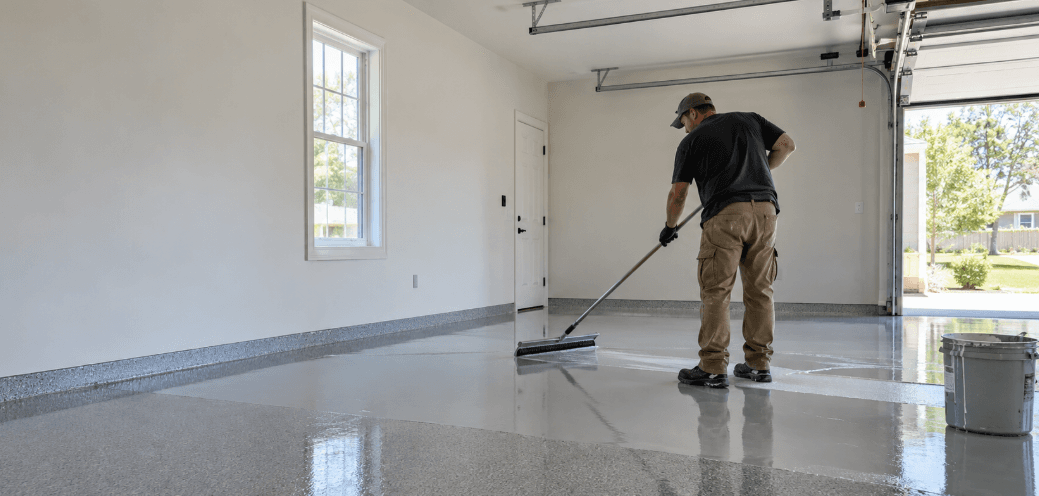
Should You Paint Garage Walls Before or After Epoxy Flooring?

september 23, 2026
What Does a Full Garage Makeover Include? A Guide for Main Line Homeowners
august 19, 2026
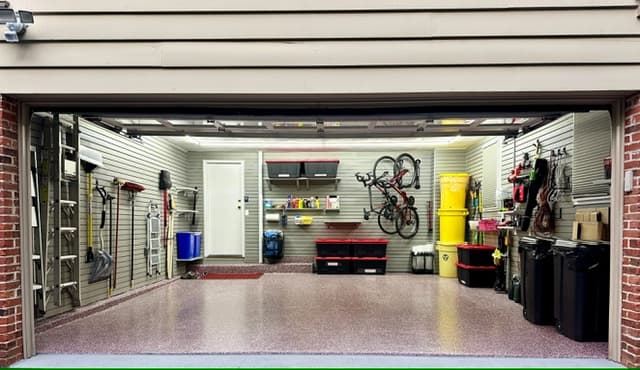
How to Make a One-Car Garage Feel Bigger Without Adding Square Footage
december 29, 2025
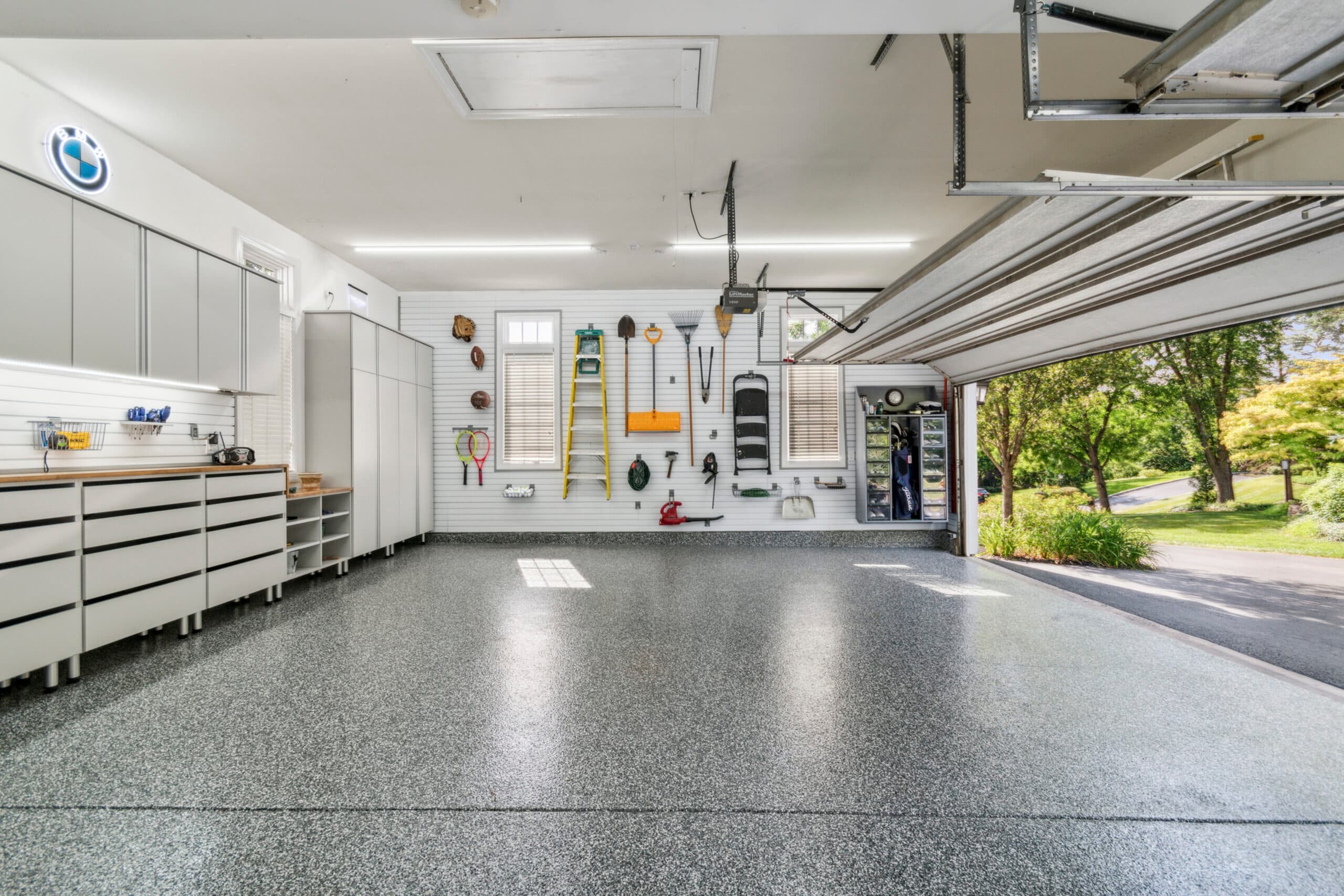
Top Garage Design Trends for Modern Homes
december 29, 2025
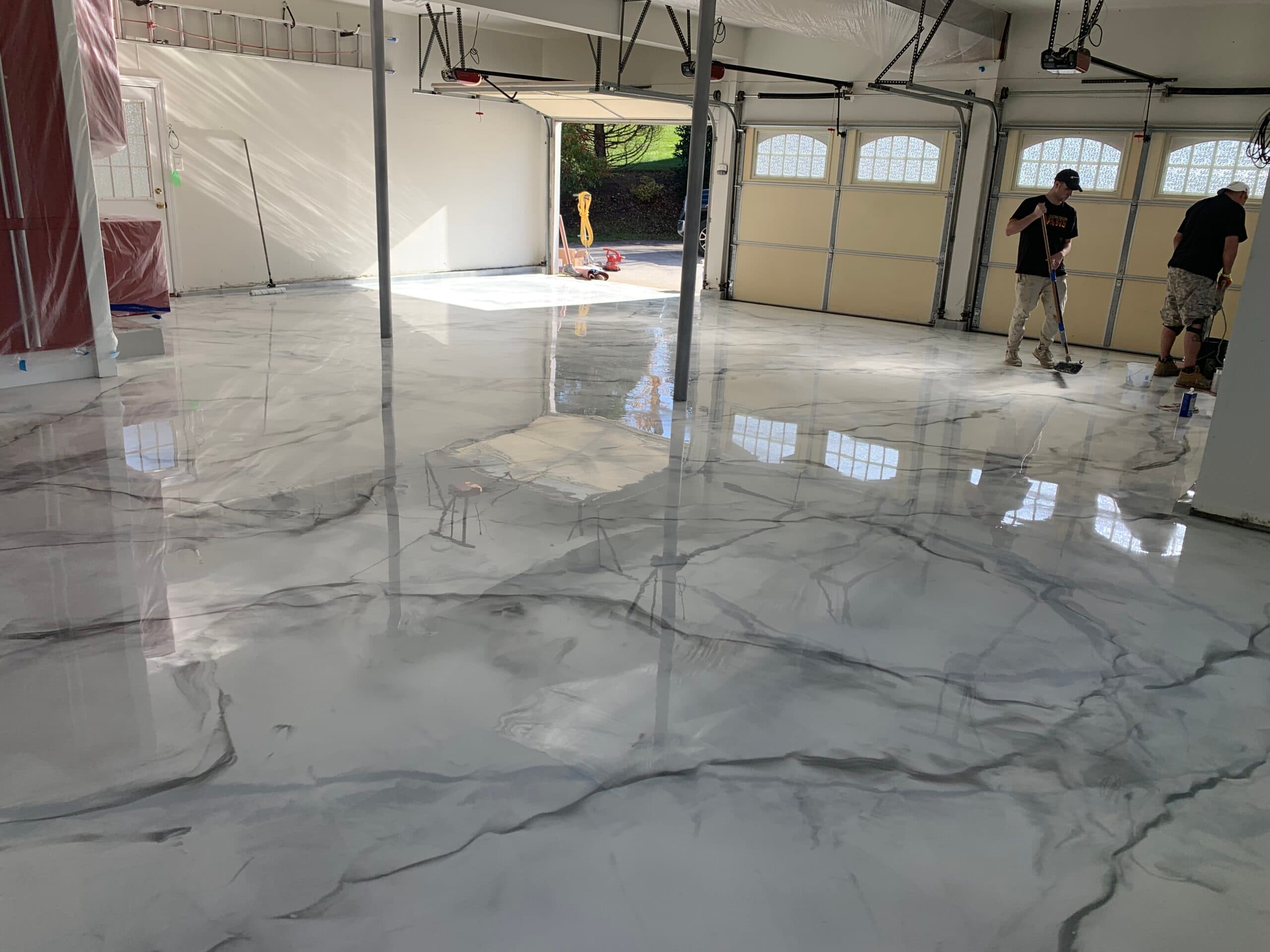
5 Ways Epoxy Garage Flooring Can Protect and Beautify Your Garage
Subscribe to Our Newsletter
Stay up to date with our latest news, blog posts, and exclusive updates delivered right to your inbox.